

6 Tips: Protect Your Horse From Sickness
Infection control means doing what you can to prevent and control – it’s all about lowering the odds of a sick horse. Here are 6 key things you need to know:
1. Have a Plan
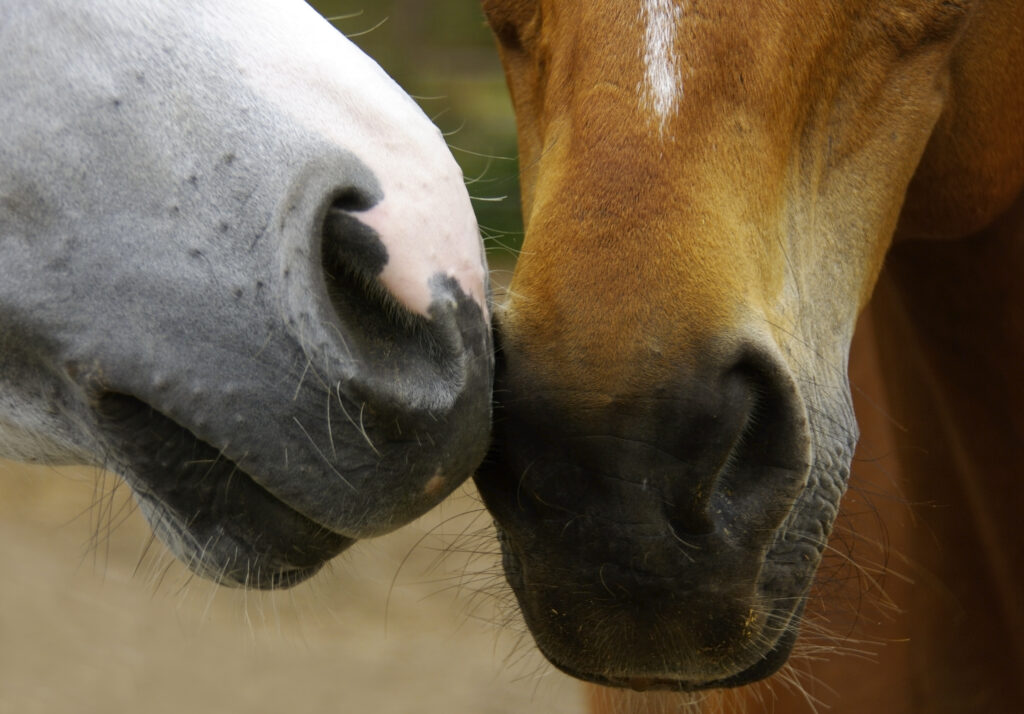
Here are six steps to help your with a Biosecurity Plan for your barn:
- Identify the risks
- Prepare a diagram of the farm
- Review management practices and perform ongoing evaluations
- Identify biosecurity goals and best practices
- Develop an implementation strategy
- Review effectiveness of the plan and improve
Remember, prevention is always cheaper in the long-run, so take action today!
2. Focus on Prevention, including Vaccination
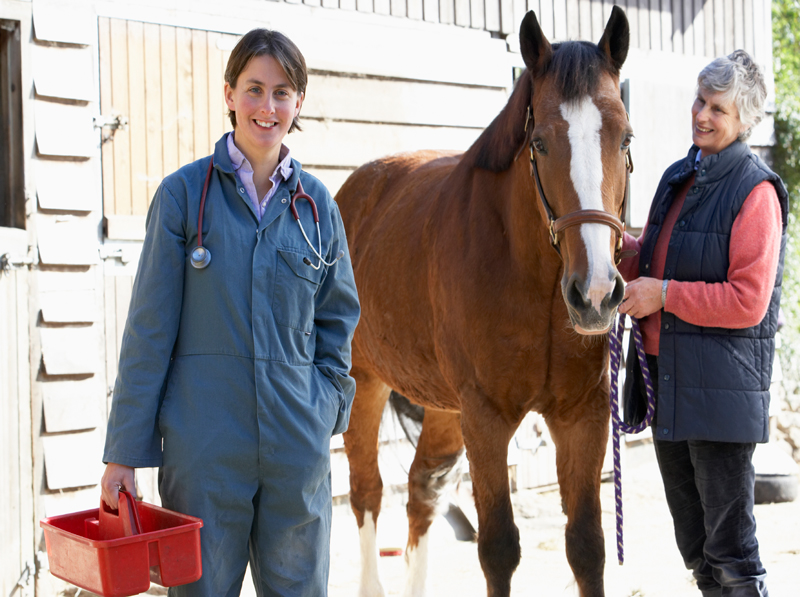
- Your best approach is to be proactive and prevent a potential issue before it arises; vaccination is your first line of defense
- Vaccines are very useful for preventing diseases caused by viruses (like flu and equine herpes virus) and bacteria (like Strangles)
- Vaccines lower the odds of sickness and limit how severe sickness will be; talk to your vet!
- Antibiotics don’t work for diseases caused by viruses, so prevention is the best option
3. Keep Hands, Clothes, and Boots Clean
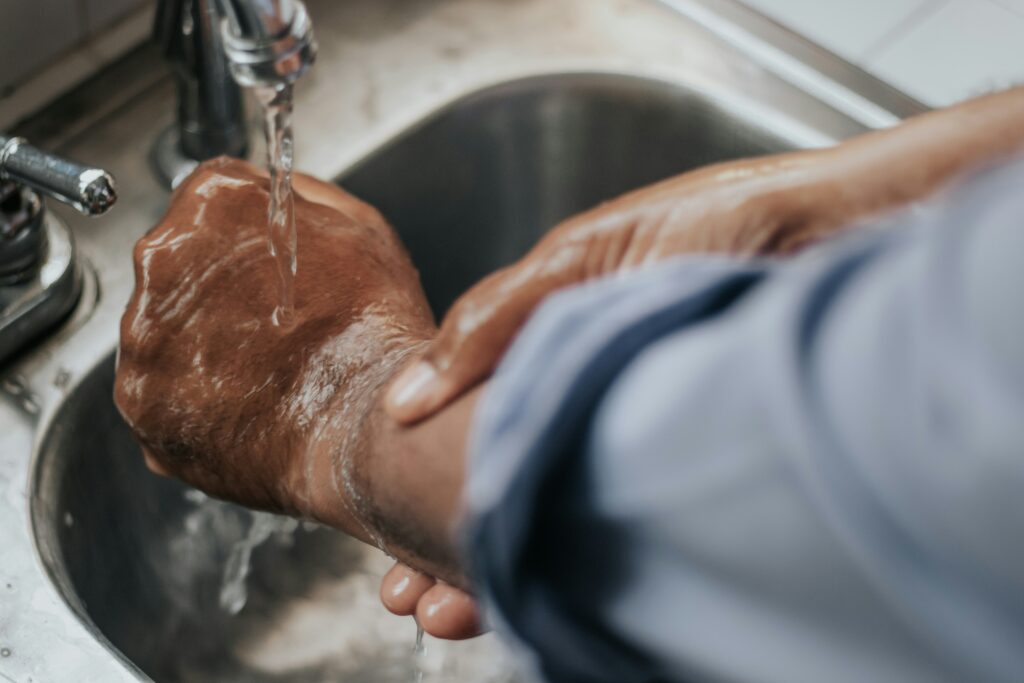
- Wash your hands regularly with soap and water and use a single-use towel to dry them
- Use alcohol-based sanitizers regularly and make several available in the barn
- Watch where you’re touching your horse – eyes, nose and mouth are where germs want to be – don’t give them a hand!
- Designated boots for the barn is best; remember they still need to be cleaned regularly!
4. Clean and Disinfect Surfaces
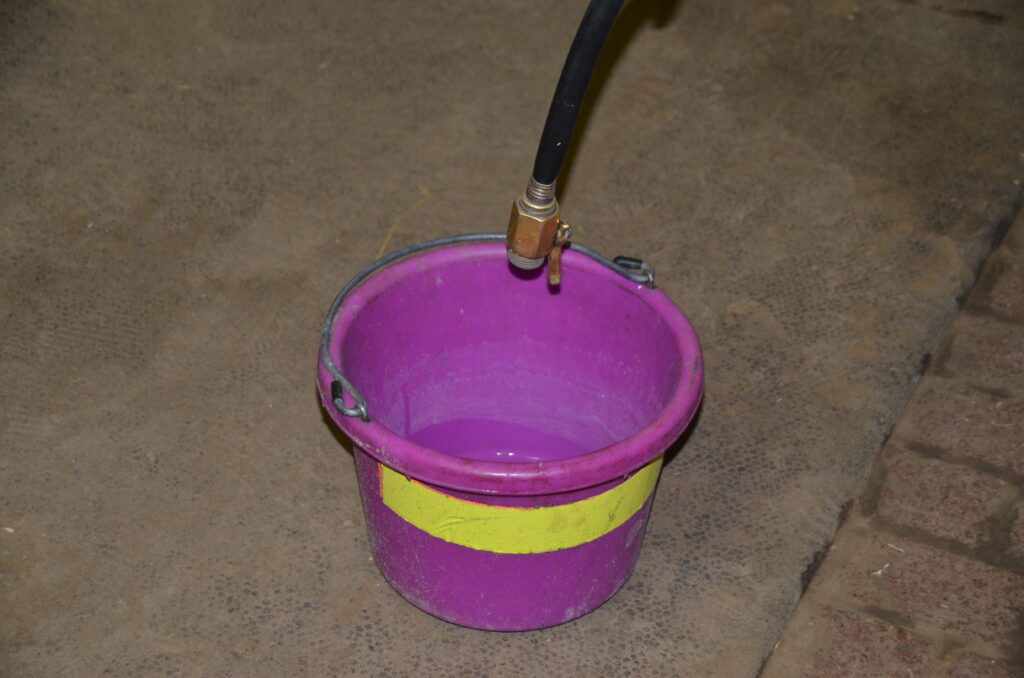
Cleaning stalls, trailers, tack and equipment is key to infection control
3 steps to cleaning:
- Clean – remove all visible manure, soil and bedding
- Wash – use soap and water and let dry
- Disinfect – apply disinfectant; ask your veterinarian
5. Isolate New or Sick Horses
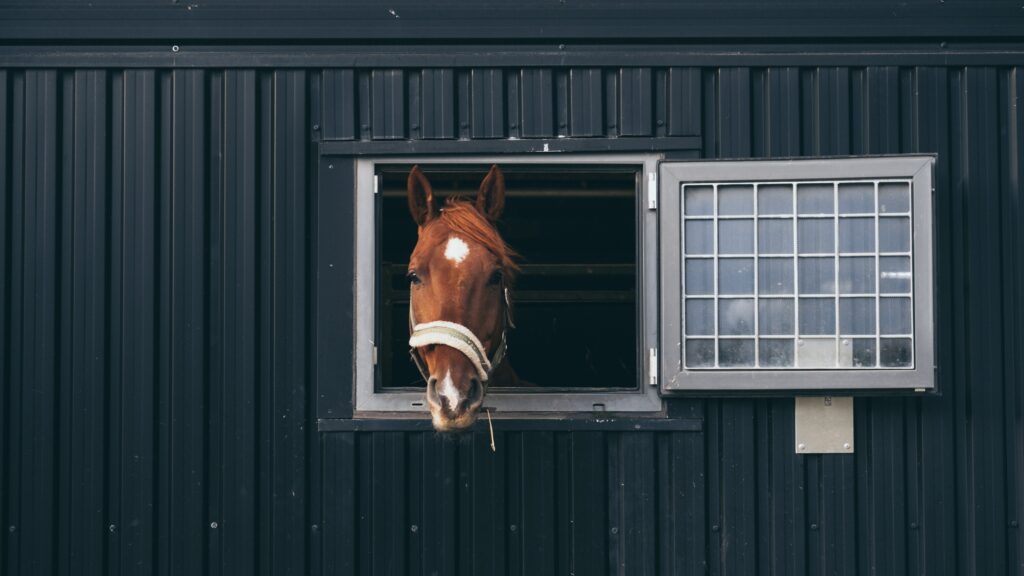
- Give a sick horse its own stall as far away from the other horses as possible
- Post signs around the barn so everyone is aware of the sick horse
- Use separate tack and equipment (TIP: Use a piece of red duct tape to label all equipment)
- Work with sick horses last and always wash up after handling them
- Talk to your vet once the sick horse has been separated
- Monitor your horse; think of DEPP! Are they drinking, eating, pooping, peeing? Snotty nose or cough? What is their temperature?
6. Be Selfish Travelling To and From Your Event

- From buckets, brooms and shovels to your tack and equipment, “NO SHARING” should be your motto!
- Think of all your time at an event like you’re on a ride at the fair – keep your hands, feet and equipment to yourself at all times; it’s about preventing the spread of germs!
- It’s all about focusing on you and your horse; How clean is your stall? Are your hands and boots clean? Is your tack and equipment separate from others and is it clean? Are the crossties clean? Can they be shortened to prevent chewing?


